
Electroencephalography
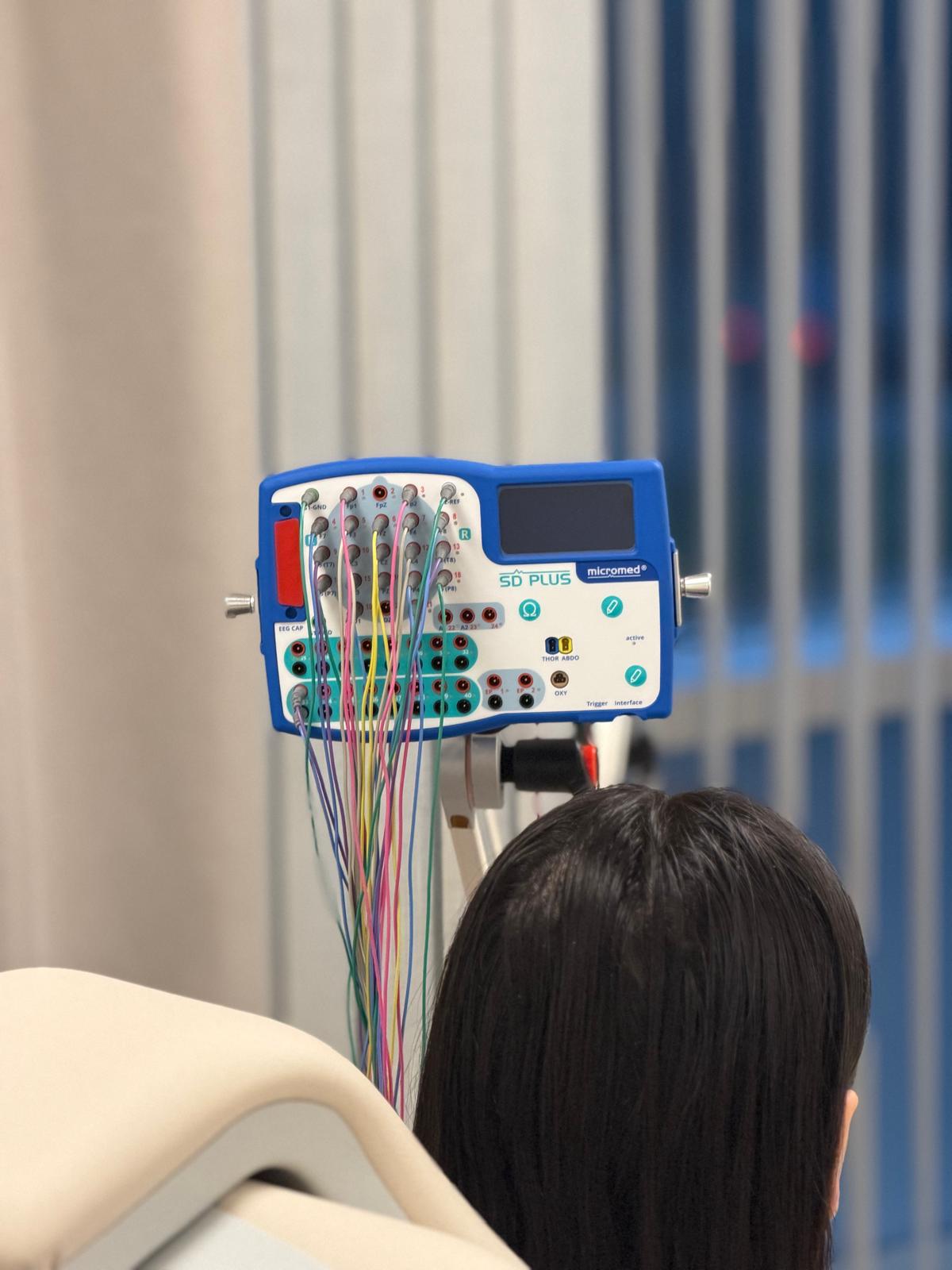
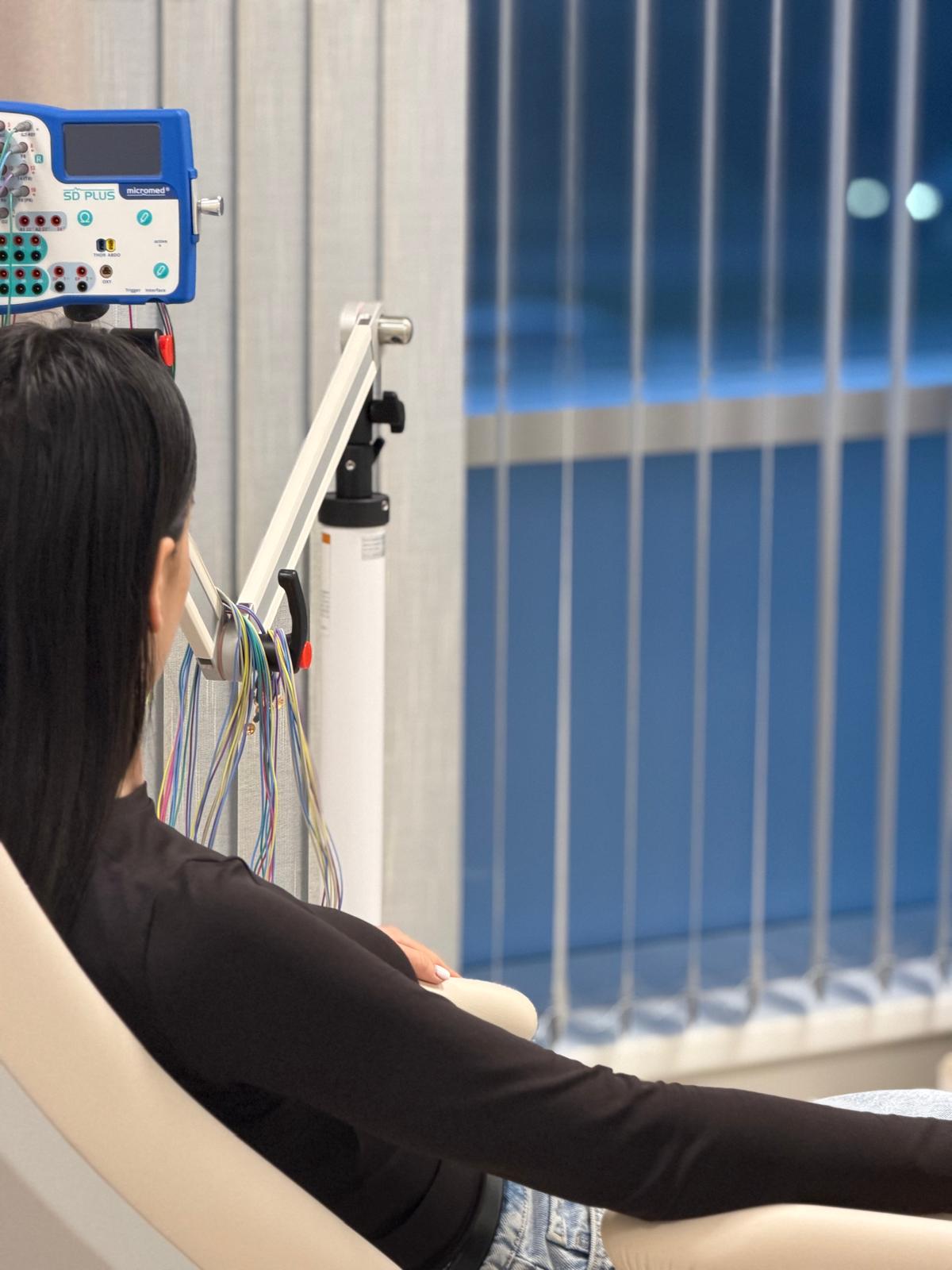
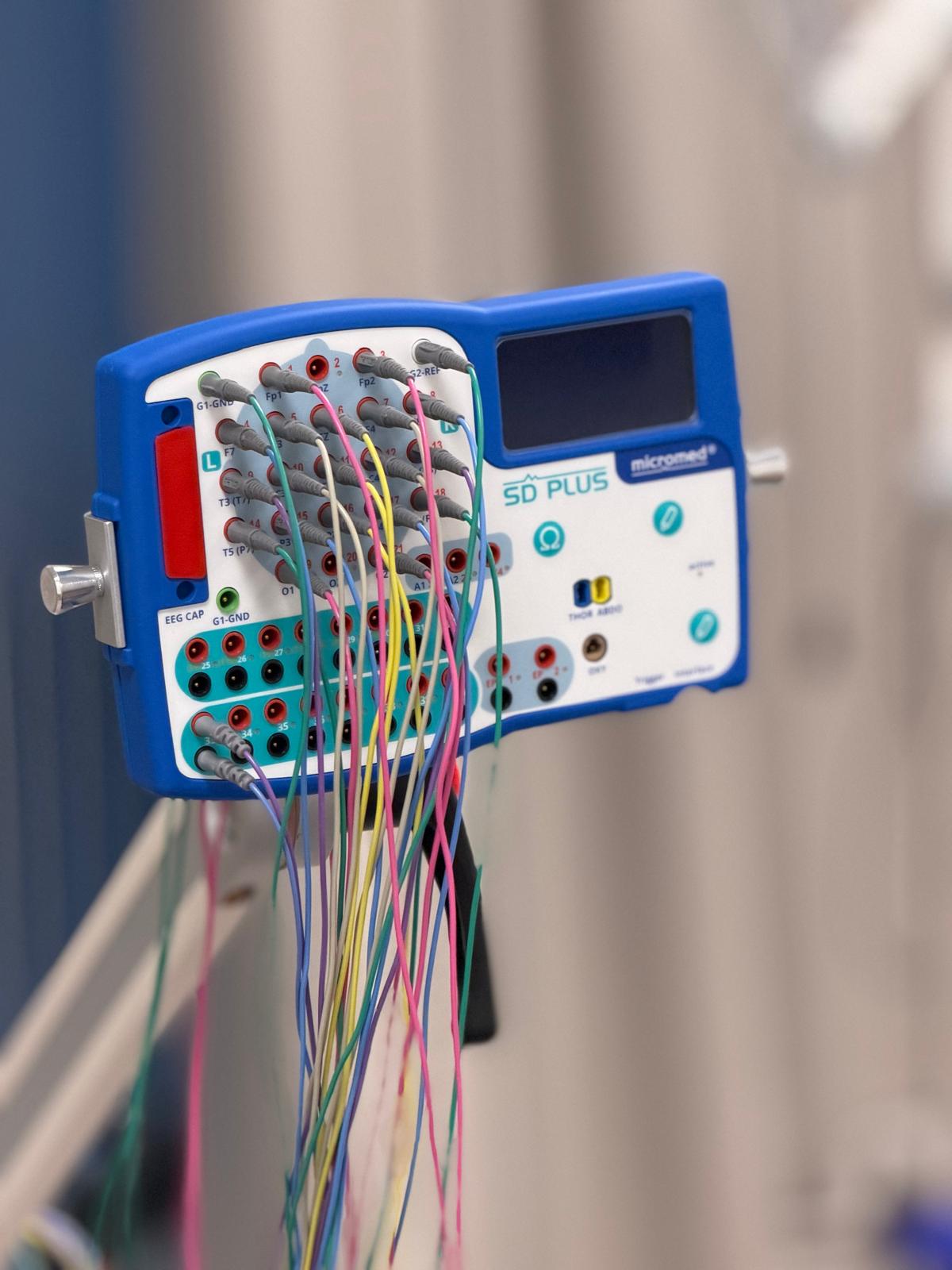
Electroencephalography (EEG) is a non-invasive method that records the electrical activity of the brain. During the test, electrodes are placed on the scalp to record brain waves at different frequencies. EEG helps diagnose epilepsy, sleep disorders, brain damage, and other neurological conditions.
How are electroencephalography examinations performed?
In an electroencephalography (EEG) test, the patient sits or lies down in a comfortable position, and electrode straps or individual electrodes with conductive gel are placed on the head. The electrodes record the brain’s electrical waves while the patient is resting, looking at a fixed point, or performing certain tasks, such as closing and opening the eyes or hyperventilating. The recording is analyzed on a computer to evaluate patterns of brain activity and identify possible abnormalities.
Length of procedure
20-60 minutes
Preparation
No special preparation is required. Get some sleep and rest if you are having a sleep EEG.
What will the customer feel?
Painless method. There may be a slight sensation of coolness or pressure.
Restrictions
There are restrictions. Your doctor will inform you about this.
Advantages of the method
The advantages of electroencephalography (EEG) are: it is a safe, painless and non-invasive method for assessing brain activity; allows for accurate diagnosis of epilepsy, sleep disorders and other neurological conditions; provides a direct measurement of the brain's electrical activity, which helps monitor the effectiveness of therapy or the progress of the disease.
Results and conclusion
Typically, electroencephalography (EEG) results are ready within a few days of the procedure, often within 1-3 business days. In more complex cases or if detailed analysis is required, results may take longer, from 1-4 weeks.
In what cases should Electroencephalography be performed?
Electroencephalography (EEG) is performed in the following cases:
- if the patient has symptoms of epilepsy or seizures;
- in sleep disorders, such as insomnia or excessive daytime sleepiness;
- if brain damage, inflammation, or neurological disorders are suspected;
- to monitor brain activity after injury or treatment, assessing the effectiveness of therapy.